judges@europe
The fifth edition of the Judges@Europe Forum will take place from 3 to 6 November 2026 in Syracuse, Italy. Applications will open soon — stay tuned for updates!
What and who
The Judges@Europe Forum was brought to life reflecting the European Council Conclusions of 11 March 2021, entitled Boosting Training of Justice Professionals. The document emphasizes the critical role of judicial training in building a common European judicial culture based on the rule of law, mutual trust, and respect for fundamental rights, as well as in ensuring the correct and uniform application of EU law and the efficiency and effectiveness of cross-border judicial proceedings in the EU. The conclusions called for the European Commission to support the existing European networks to promote and enhance the dialogue among judges, which is key to the consolidation of the rule of law and the further development of a common judicial culture in Europe.
The Forum is a special training activity that provides a safe and confidential space for judges from the Member States of the EU where topics related to rule of law, judgecraft, and judicial well-being can be discussed. The participants are selected by lot among judges from different member states, with different professional backgrounds, and working in different jurisdictions.
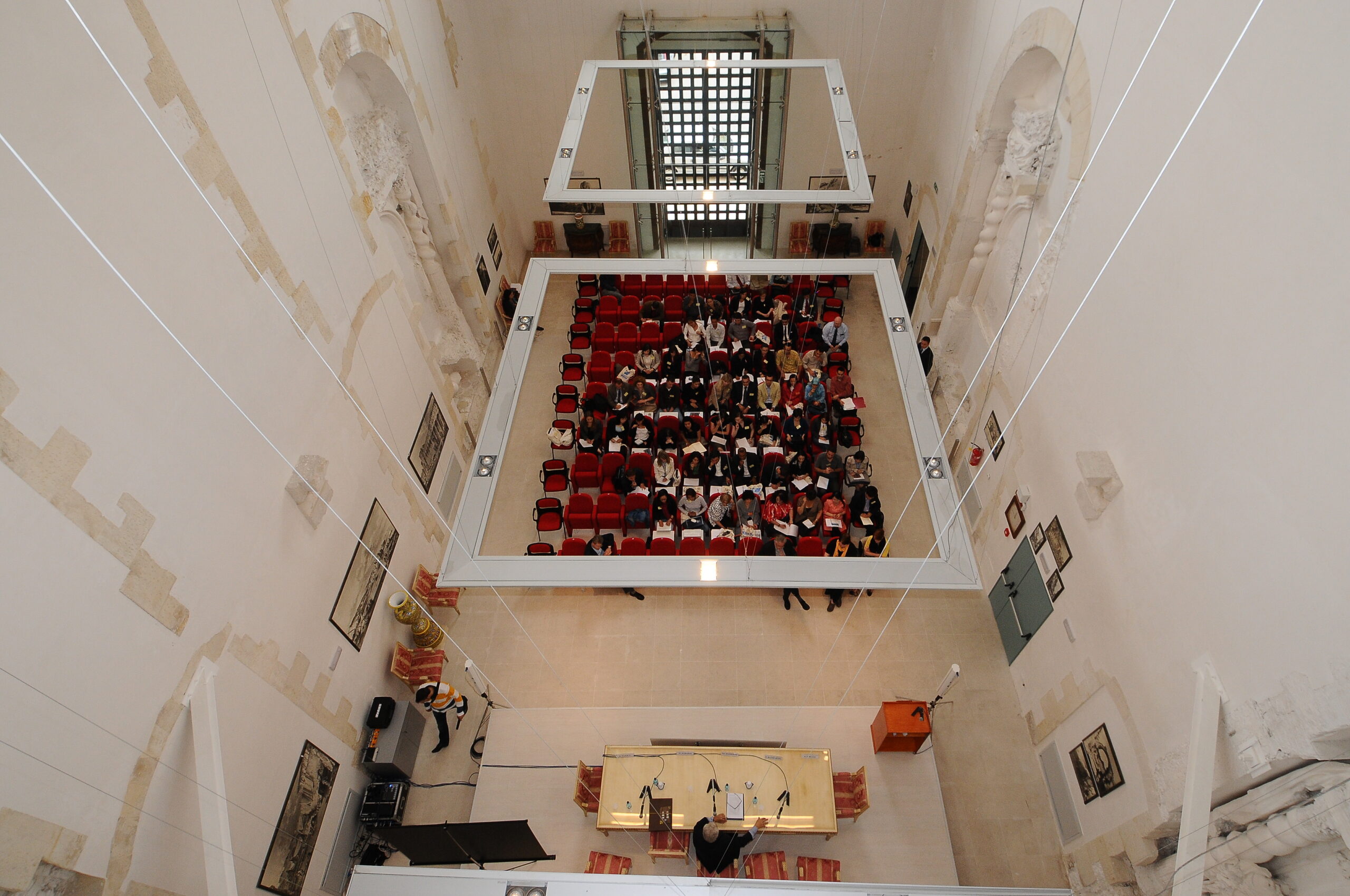
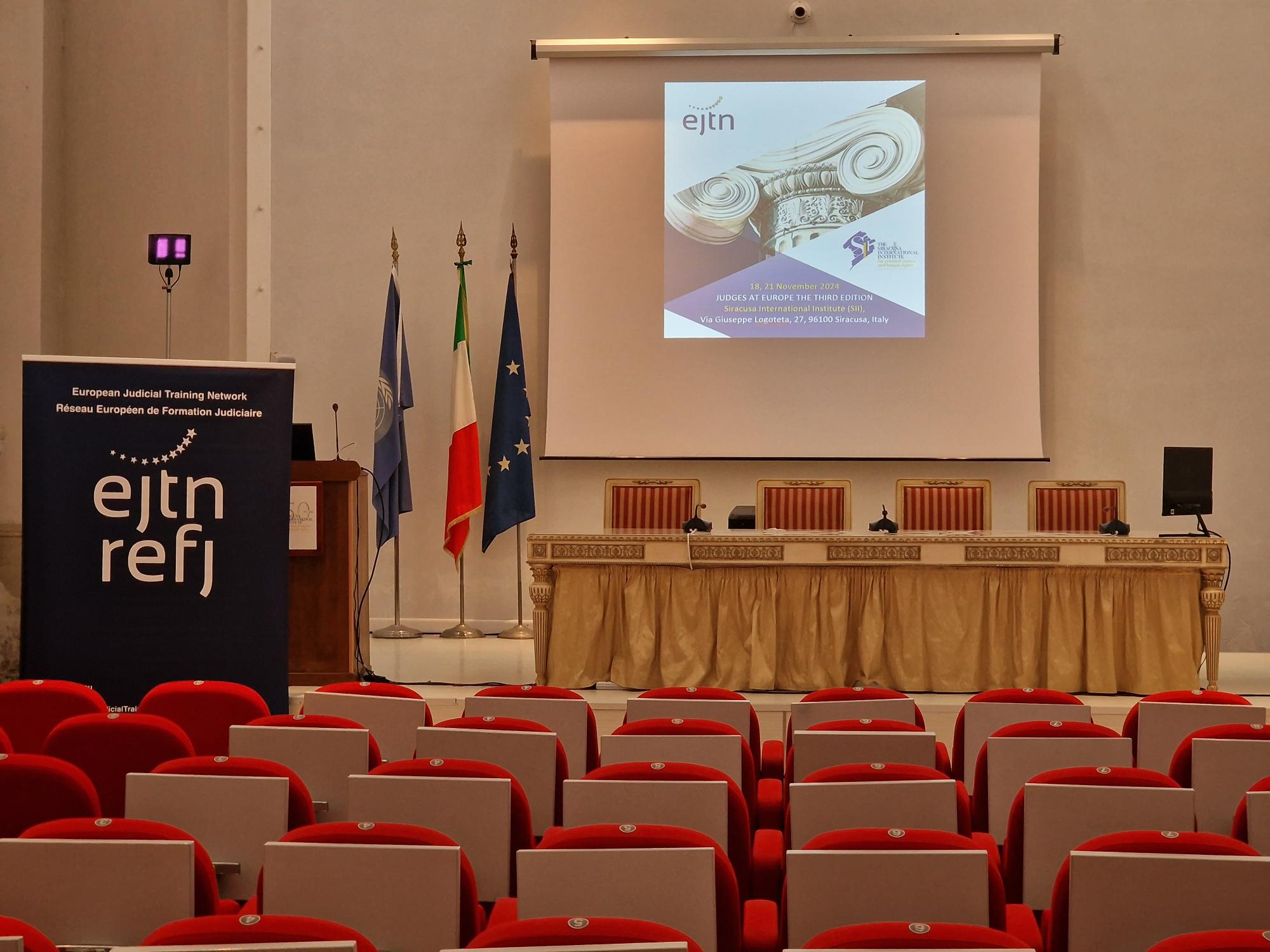
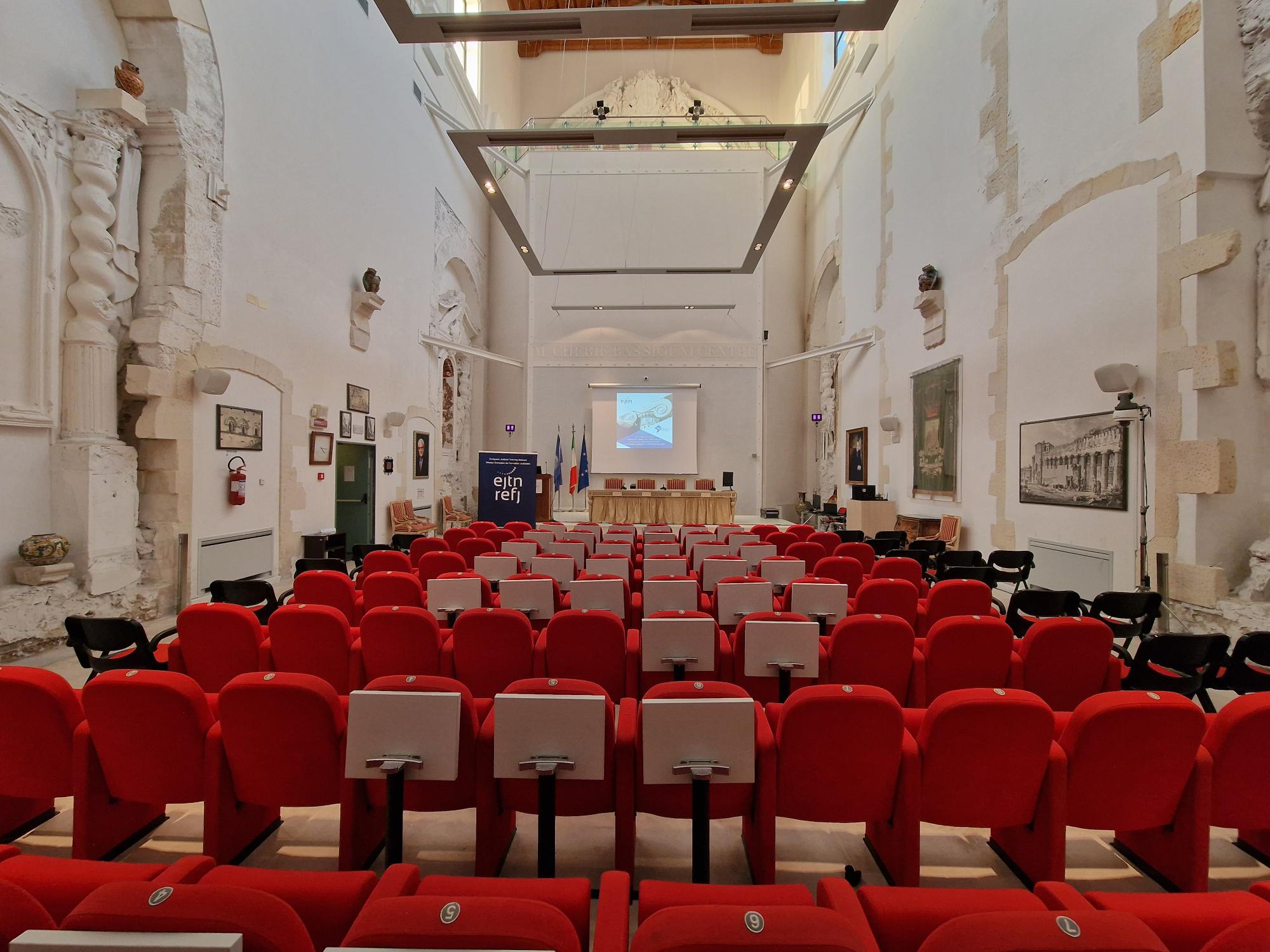
The fifth edition of the Forum will take place from 3 to 6 November 2026 in Syracuse, Italy, at the Siracusa International Institute. This year’s theme “Well-being and Welfare of Judges in Connection with Judicial Independence and the Rule of Law” reflects a growing recognition that the personal and professional well-being of judges is not a peripheral concern, but a structural condition for the integrity of justice systems across Europe.
What was discussed in the last editions?
The first edition of the Forum was held in May 2022. The theme of the event was the rule of law and judicial culture and gathered 38 judges and combined a theoretical approach to European jurisprudence with hands-on practical methods through workshop sessions and peer consultation on real-life cases. Participants analysed the characteristics of the rule of law using authentic judicial contexts, exchanges of experiences, and best practices, and addressed further issues such as the impact on the integrity and independence of the judiciary, the application of self-empowerment and resilience techniques to promote and protect judges from the potential negative effects of stressors, and what the individual judge can do to protect the rule of law. The topic of freedom of speech served as the foundation for some of the case studies.
Organised in 2023 around the main theme of accountability, the second edition covered disciplinary proceedings and liability, performance monitoring, and transparency. In each session, plenary discussions and group workshops were organised, building upon the presentations and offering an area of free speech and confidentiality to the participants. The focus of the second edition was the contemporary challenges that good administration of justice and increased demand for judges’ accountability raise for judicial offices in the digital era.
The theme of the third edition of the Forum was impartiality. The introductory sessions highlighted cases of the CJEU and the ECtHR to help participants distinguish between internal and external independence and impartiality. Further presentations addressed the equality of arms and how adversarial proceedings can be ensured in cases involving highly sensitive documents offered as evidence. Participants discussed the effect AI and technology have on the impartiality of the judge, the risks judges face in their everyday lives that may endanger their appearance of impartiality, and how media and public opinion can influence judicial decision-making.
The fourth edition, held in May 2025 in Sicily under the theme Being a Judge in the Digital Era, brought together judges to explore the profound impact of digitalisation on judicial work and independence. Key topics included alternative dispute resolution, freedom of expression of judges, judicial independence, disinformation and misinformation, digital evidence, and ICT tools and videoconferencing. Building on the interactive format of previous editions, participants engaged in keynote sessions, working groups, and peer exchanges in a confidential setting governed by the Chatham House Rule.
Theme of the Fourth Edition of the Judges@Europe Forum: “Being a Judge in the Digital Era”
The fifth edition addresses a dimension that is both deeply personal and fundamentally institutional: the well-being of judges as a prerequisite for judicial independence and the rule of law. Across Europe, judges face mounting pressures — from increased public scrutiny and media exposure, to rising workloads driven by digitalisation, to the emotional toll of constant exposure to difficult and traumatic material. This edition of the forum creates a space to name these pressures openly, share experiences across borders, and explore practical responses — both individual and institutional.
Key Topics:
The forum will combine keynote speeches by renowned experts with highly interactive breakout workshop sessions in five rotating groups, allowing all participants to engage with every theme. The event will conclude with a collective reporting session aimed at translating shared experiences into concrete conclusions for the European judicial community.
The fifth edition of the Judges@Europe Forum is open to judges from all Member States of the European Union, with the exception of Denmark. We kindly ask judges who attended any previous edition of the Forum to refrain from applying, as priority is given to first-time participants.
Applications will be kept strictly confidential. Participants are selected by drawing of lot, with care taken to ensure a balance of gender, seniority, and nationality, and a maximum of three participants per member state. Selected participants will be informed directly by EJTN and asked to confirm their participation. They may then choose whether to inform their national training institution or court administration. EJTN will not share any information regarding selection with national contact points.
Accommodation and catering will be fully provided for all participants from 3 to 6 November 2026. A transfer service will be arranged from Catania Airport. Participants are expected to arrive on Tuesday, 3 November, no later than 17:00, with departure scheduled for the morning of Friday, 6 November. EJTN will also reimburse airplane ticket costs for selected participants.
The forum operates under the Chatham House Rule. Participants are free to use the information shared during the event but may not disclose the identity or affiliation of speakers or other participants. Participants can choose whether they wish to appear in event photographs. A certificate of attendance will be provided, but EJTN does not notify national contact points about participants’ attendance.
The language of the event will be English and French, with simultaneous interpretation provided. Participants should have sufficient confidence to speak and interact in either language.
The detailed programme and list of invited speakers will be available in due course. To express your interest or for further information, please contact us at [email protected].